
INTERNATIONAL TRAVEL & EVENT SECURITY
Visitor Safety Across the Gaps: Connecting Hotels, Transport and Event Venues
How clear responsibilities, verified handovers and realistic fallback arrangements can connect the separate elements of an international visit.
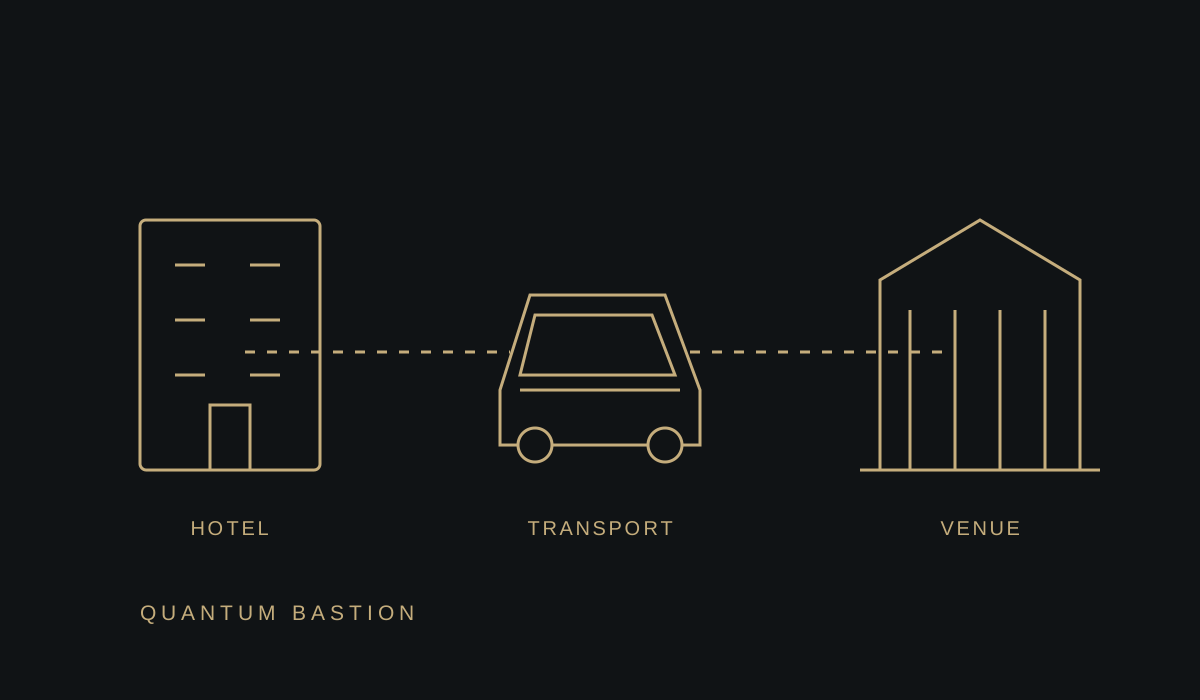
International travel often involves several providers, each responsible for one part of the visit. A hotel may manage accommodation, a transport company handles movements and an event organiser controls venue access.
Each arrangement may appear sound in isolation. The vulnerabilities often emerge where those responsibilities meet, particularly when plans change.
The news context
PTI reported on 31 October 2026 that Goa police, tourism officials and hospitality representatives had discussed visitor-safety measures at a stakeholder meeting held on 30 October. The topics included CCTV maintenance, unobstructed entrances and exits, fire precautions, staff conduct and online booking fraud.
These are reported preparedness measures. The report does not establish a new rise in crime or demonstrate how effective the measures will be.
For private travellers, families, family offices and organisations, the wider lesson concerns coordination: who connects the separate elements of a visit?
Make responsibility clear
Consider an airport arrival, a hotel transfer and an evening engagement. The bookings may identify three providers without explaining who manages a missed connection, verifies an unexpected driver change or communicates a revised collection point.
Before departure, establish who coordinates the itinerary, who can authorise changes and whom the traveller should contact for assistance. Confirm that each provider understands the arrangements relevant to its role.
Avoid assuming that essential information has already passed between the hotel, driver and venue.
Plan and verify the handovers
Walk through the journey from the traveller’s perspective.
How will the traveller identify the correct driver? Where should they wait if collection is delayed? Does the venue know who is arriving? How will a last-minute change be authenticated?
Agree a simple verification method in advance. Unexpected changes to drivers, meeting points or payment instructions should be checked through an established contact rather than accepted from an unfamiliar message.
Share the information each provider genuinely needs while keeping personal details and sensitive itinerary information appropriately restricted.
Prepare realistic alternatives
A delayed flight, unavailable vehicle or inaccessible entrance can affect several later arrangements.
Identify who will reassess the plan and communicate the decision. Keep essential contact details accessible if the main phone is lost, unavailable or without power. Consider individual requirements such as mobility, medication and language support.
Contingencies should be proportionate to the destination, activities and people involved. They must also be practical enough to use under pressure.
Ask providers practical questions
Alongside confirming the booking, ask:
- How will staff communicate an emergency or access change?
- Who can the traveller contact outside normal hours?
- How are replacement drivers or altered meeting points verified?
- Where do the responsibilities of the hotel, transport provider and venue begin and end?
A short discussion before arrival can expose assumptions that might otherwise remain unnoticed.
Connect the whole visit
Talk through one realistic disruption with everyone responsible for the arrangements. Record unanswered questions, assign ownership and resolve them before departure.
Quantum Bastion provides international travel security and close protection support tailored to the traveller, destination and itinerary.
To discuss an upcoming journey or event, contact enquiries@quantum-bastion.com.